
6 Things to Include in Your Food Journal

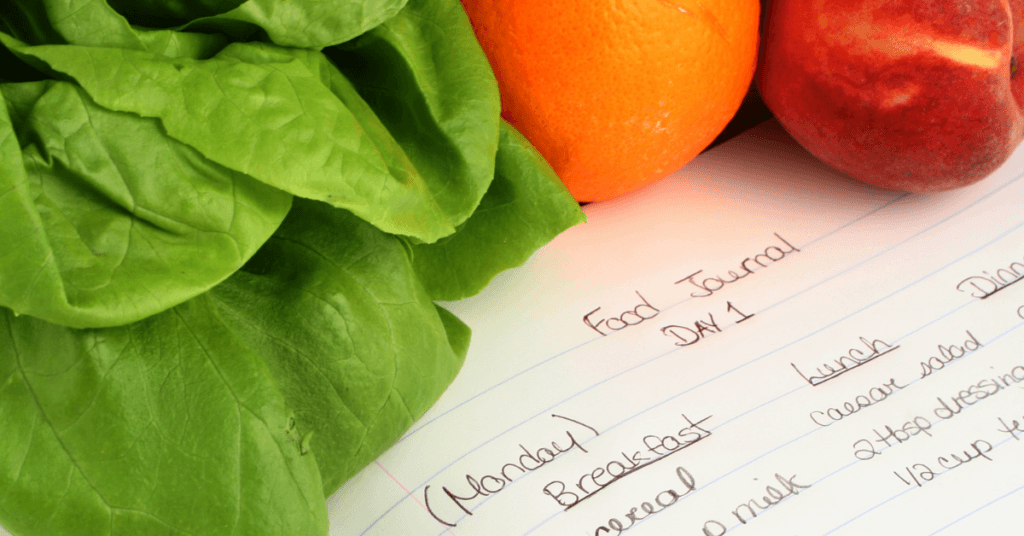
Is your relationship with food confusing and messy? Do you find that you over eat, under-eat or don’t remember what you did eat?
A food journal increases your awareness of what, how and why you eat. With that increased awareness we can improve our relationship with food and work on changing habits that don’t serve us.
Maybe you have already used apps or websites to track calories or “macros” but it didn’t seem to help. I’m here to tell you, that’s just the beginning of the story.
We can learn about ourselves, our bodies, and our relationship with food by knowing how to food journal more strategically . The key is to include the right information to increase your awareness around your choices, trends, and habits.
Here are 6 things to include in your food journal to get the transformation you’re looking for.
1. Food, Beverage, and Portion Size
Let’s start with the obvious. Logging the type of food and approximate portion size is helpful to be able to see trends over time. We may think “I don’t really eat that many sweets and treats, just a scoop of ice cream a couple times a week”. When we start journaling we suddenly notice the pastry at our work meeting, the sweet coffee drink we stopped for while we were out running errands, and the bag of chocolate covered pretzels while we’re watching Netflix.
Don’t forget to write what you drink too! Are you logging nutrient poor, high sugar coffee drinks, alcoholic drinks, sodas, and sports drinks? Are you meeting your fluid needs during the day? Looking closer at a written log of foods, drinks, ingredients, and portion sizes helps to identify where we have have excesses, deficits, and yes – amnesia.
 Journals also serve as a great reward system for my clients when they see themselves consistently hitting their goals. Want to eat more servings of veggies? You’ll love having the tangible moment when you can mark down every time you meet that goal.
2.Emotions
Emotion impacts what we eat, how much we eat, and whether we enjoy what we’re eating. Some people are “stress eaters” while others are meal skippers under stress. Some celebrate their joys with a favorite snack. Some notice that when their mood is better overall, they can make better food choices.
Bringing awareness to the relationship between food and mood is a valuable piece of the puzzle of mindful eating. When we see the way emotions can impact our habits, we can strategize to get ahead of that correlation in the future.
Stressful conversation with your boss coming up today? No sweat, you know you still have control over your food choices and can choose the meal or snack that aligns with your goals. Have a paper due at midnight and you feel like you are too busy for a meal? You already have a plan, you’ll take a 30 minute break to eat a simple but satisfying dinner AND you’ll remind yourself that your brain uses more energy (calories) for fuel than any other organ in your body. It’s true, science tells us that our brains use about 20% of our daily calorie needs but the more challenging the work, the more fuel it needs.
Understanding the impact of food on emotions and emotions on food choices gives us an advantage – we can be more in tune and intentional with our choices.
3.”Why”
Bring awareness to the “why” of what you eat. An obvious reason to eat is to respond to hunger or low energy but that’s definitely not always the case.
The “why” of our specific food choices involves emotion, the company with whom you eat, the location of your meal, and your values about where your food comes from. The “why” of so many food choices is really just because it’s habit or a correlation with another activity we’re doing (for example, snacking on buttery popcorn while watching a movie or enjoying a hot dog at a baseball game).
Knowing how to journal the “why” also helps us to understand that at times we choose foods for reasons other than hunger – it’s up to you to decide if that reason is worthwhile!
4. Hunger and Fullness
The extent to which we feel hunger and fullness can help us reflect on our relationship with food and make positive changes. Your morning routine may place more value on time than food as you’re rushing out the door. But, as you become aware that feeling overly hungry has you feeling lightheaded and cranky you may begin to place greater value on food.
Do you eat until you’re are excessively full? Do you forget to stop for lunch when you’re working on a project?
Maybe you’re using food for reasons other than nourishment. For example: “it’s time to eat”, “everyone else is eating”, or “the food looks good”.
Identifying this can help you decide if the patterns align with your health and performance goals. Mindfully respecting our body’s cues is a good way to increase health and happiness.
5. Satisfaction
Feeling satisfied after eating is different than feeling fullness. Fullness is a physical feeling. Satisfaction is a little more mental and has to do with contentment. When you walk away from your light lunch salad, are you still dreaming of a cookie? That may cue you to the foods you are choosing may need to be optimized to improve satisfaction. Not being satisfied with your meal or snack may lead to eating something else anyway; so why not eat to satisfy in the first place.
6. Physical Bodily Responses
Keeping a log of how your body feels along with your food log can be helpful if you are trying to combat fatigue, improve athletic performance, reduce digestive symptoms, and eliminate neural symptoms like headaches. We often think of nutrition outcomes in terms of weight, blood pressure, and blood lab tests; but the effectiveness of our diet can be seen in a ton of other ways. Sometimes, those subjective symptoms are more telling about our health and wellbeing than the “numbers” that we get from a doctor’s office.
Have You Kept a Food Journal?
What has been most effective for you? What epiphanies did you have when you spent time reflecting on your nutrition through food journaling? Tell us in the comments!
Make sure to share the 6 things to include in your food journal with a friend who may benefit from it 🙌
About the Author
I’m Courtney Hager, one of the registered dietitians from One You Nutrition LLC. I am an endurance sports lover and nerd out on learning about how the body and mind use nutrition to help us perform. I’d love to hear from you so leave a comment, subscribe to our newsletters, or better yet, set up a call with me to chat about your nutrition goals!
Connect with me:


The One You Nutrition team believes food is nourishment, medicine and fuel. That belief drives our passion for nutrition and energizes us to share our expertise in Wellness, Sports Nutrition and Obesity & Weight Management to improve the lives of our clients. As the food expert on your team, we coach you to set your ultimate vision of success, plan action steps, embrace strengths, improve weaknesses and master the skills to Do Food Right™.
Do You Feel like You’re Doing Food Wrong?
CHECK OUT OUR FREE GUIDE!
There is so much nutrition information out there that it’s impossible to know where to start. We’ve simplified the message with 5 tips which we believe are applicable to everyone
5 ways to “Up” your (healthy) pizza game
6 Things to Include in Your Food Journal